The History of Sequins and Sparkle in Fashion
Sequins and sparkle have played a powerful role in the history of fashion, symbolising glamour, celebration, and self-expression across centuries. From ancient decorative techniques to modern eveningwear, shimmering embellishments have been used to capture light and attention. Sequins became especially associated with luxury fashion, performance costumes, and festive clothing, making them a timeless feature in both vintage and contemporary style. Their ability to transform simple garments into statement pieces explains why sparkle continues to define special occasion fashion and remains an enduring trend throughout fashion history.
The earliest forms of sequins can be traced back to ancient civilizations such as Egypt, India, and the Middle East, where shimmer and shine were symbols of wealth and power. Using key words like ancient fashion, decorative metal discs, ceremonial dress, and cultural significance, this paragraph explores how early sequins were crafted from gold, silver, and bronze. These embellishments were sewn onto garments worn by royalty, dancers, and spiritual leaders, reflecting status and protection. The use of sparkle in ancient clothing laid the foundation for sequins as a lasting element in fashion, linking beauty, symbolism, and craftsmanship.
During the medieval and Renaissance periods, sequins and decorative sparkle became closely associated with royalty, nobility, and displays of wealth. Using key words such as luxurious textiles, hand embroidery, metal embellishments, and court fashion, this paragraph explains how shimmering details were added to gowns, tunics, and ceremonial garments. Gold thread, jewels, and metal discs were often used to reflect candlelight in royal courts, creating a dramatic visual effect. These ornate designs reinforced social status and power, showing how sparkle in fashion evolved as a symbol of prestige long before modern sequins became widely available.
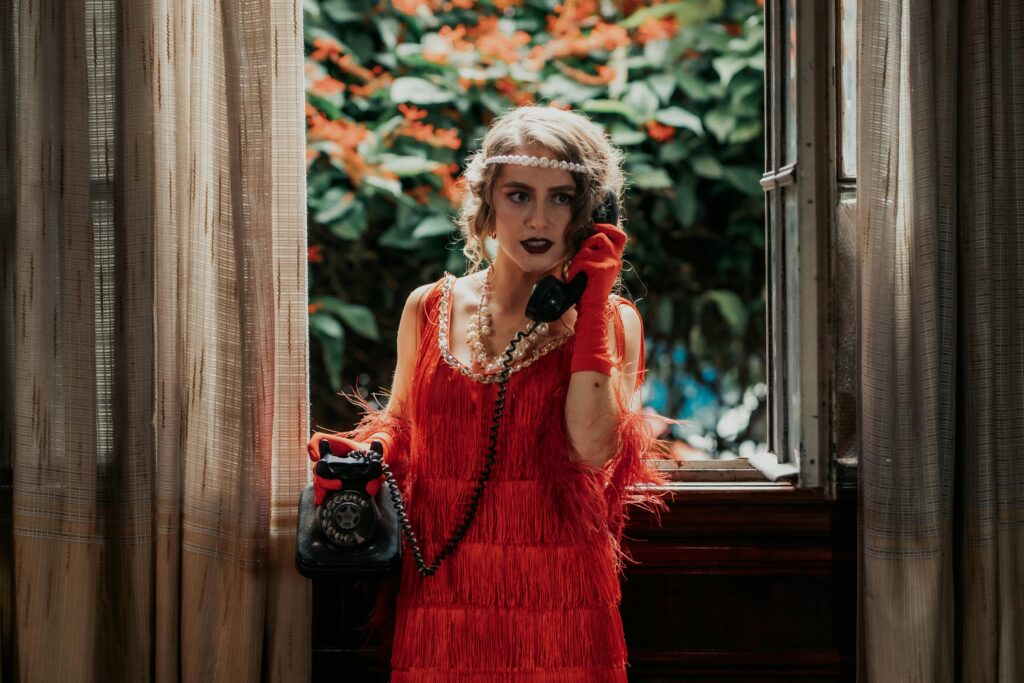
The 1920s marked a major turning point for sequins and sparkle in fashion, driven by the rise of flapper style and Jazz Age glamour. Using key words like beaded dresses, Art Deco influence, dance culture, and eveningwear, this paragraph highlights how sequins became popular on loose-fitting dresses designed for movement. As women embraced social freedom and nightlife, shimmering embellishments reflected light on the dance floor, making sparkle a symbol of modernity and rebellion. These vintage sequin dresses defined the era and remain some of the most iconic examples of sparkle in fashion history.
During Hollywood’s Golden Age from the 1930s to the 1950s, sequins and sparkle became symbols of cinematic glamour and luxury. Using key words like silver screen fashion, evening gowns, starlets, and timeless elegance, this paragraph explores how actresses wore shimmering dresses that captured attention under studio lights. Bias-cut gowns, figure-hugging silhouettes, and hand-sewn sequins created unforgettable looks that influenced eveningwear around the world. These glamorous styles helped cement sequins as a staple of formal fashion, inspiring vintage party dresses that continue to define elegance and sophistication today.
The 1960s and 1970s brought a bold, energetic revival of sequins and sparkle, closely tied to disco culture and nightlife fashion. Using key words like Studio 54, dancefloor glamour, metallic fabrics, and self-expression, this paragraph highlights how shimmering outfits became essential for clubwear and performance looks. Sequined jumpsuits, halter dresses, and flared trousers reflected light and movement, perfectly suited to the era’s music and social freedom. Sparkle during this period symbolised confidence, celebration, and individuality, leaving a lasting influence on vintage disco fashion and modern partywear.
The 1980s embraced sequins and sparkle with a bold, maximalist approach that reflected the decade’s love of excess and confidence. Using key words like power dressing, statement fashion, exaggerated silhouettes, and vibrant colour, this paragraph explains how sequins appeared on everything from cocktail dresses to blazers and stage costumes. Shoulder pads, dramatic shapes, and all-over sparkle became symbols of success and self-assurance. Influenced by pop culture, music videos, and nightlife, 1980s sequin fashion celebrated individuality and glamour, leaving behind iconic looks that continue to inspire vintage and retro styles today.
In the 1990s, sequins and sparkle took on a more subtle and minimalist role in fashion, reflecting the decade’s shift toward understated style. Using key words like minimalism, sleek silhouettes, refined glamour, and eveningwear, this paragraph highlights how designers incorporated shimmer in more controlled ways. Slip dresses, simple gowns, and tailored pieces often featured delicate sequin details rather than all-over embellishment. This quieter approach allowed sparkle to enhance elegance without overpowering the outfit, proving that sequins could adapt to changing trends while remaining a timeless element in fashion.
Sequins have long been a staple of vintage party and evening wear, adding glamour, movement, and festive charm to special occasion outfits. Using key words like cocktail dresses, holiday fashion, retro elegance, and sparkling details, this paragraph explains how vintage sequin gowns from the 1920s through the 1980s continue to inspire modern party looks. From flapper fringe and 1950s fitted dresses to 1970s disco jumpsuits, these sparkling pieces create eye-catching ensembles perfect for celebrations. Vintage sequin dresses remain sought-after for their craftsmanship, unique designs, and ability to bring timeless sparkle to any festive wardrobe.
Sequins and sparkle continue to captivate modern fashion, appearing in runway collections, red carpet gowns, and everyday partywear. Using key words like contemporary style, statement pieces, festive outfits, and retro inspiration, this paragraph highlights how designers blend vintage sequin techniques with modern silhouettes and fabrics. Metallic threads, hand-sewn embellishments, and glittering patterns are incorporated into dresses, tops, and accessories to create eye-catching looks. The enduring appeal of sparkle ensures that sequins remain a versatile and glamorous choice for both vintage enthusiasts and contemporary fashion lovers alike.
Styling sequins today requires balancing sparkle with simplicity to create chic, modern outfits without overwhelming the look. Using key words like layering, accessories, contemporary fashion, and subtle glamour, this paragraph explains how pairing a sequined top with tailored trousers or adding a minimalist blazer over a vintage sequin dress can update retro pieces for today’s style. Mixing textures, such as matte fabrics with shimmering details, helps create contrast and sophistication. By thoughtfully combining sparkle with modern elements, sequins can be worn confidently for parties, holidays, and special occasions while maintaining a timeless, elegant appeal.
The timeless appeal of sequins and sparkle shows how glamour, celebration, and self-expression have remained central to fashion across centuries. Using key words like vintage style, festive fashion, retro glamour, and enduring elegance, this paragraph emphasizes how shimmering embellishments—from ancient metal discs to 20th-century party dresses—continue to inspire modern clothing. Sequins add movement, shine, and visual interest, making them a favorite for eveningwear, holiday outfits, and special occasions. By embracing the history and versatility of sparkle, fashion enthusiasts can celebrate both classic retro charm and contemporary style, ensuring sequins remain a symbol of festive elegance for generations to come.