Why Vintage Clothing Is More Romantic Than Fast Fashion
In a world dominated by fast fashion trends and mass production, many style lovers are rediscovering the charm of vintage clothing. But what makes vintage fashion feel more romantic? Unlike fast fashion, which focuses on speed and affordability, vintage style is rooted in timeless elegance, nostalgia, and meaningful craftsmanship. Each vintage piece carries history, individuality, and a sense of story that modern high-street clothing often lacks. As the slow fashion movement grows and consumers seek more sustainable and ethical choices, vintage clothing stands out as a symbol of authenticity and emotional connection. In this blog, we explore why vintage fashion captures the heart in a way that fast fashion simply cannot.
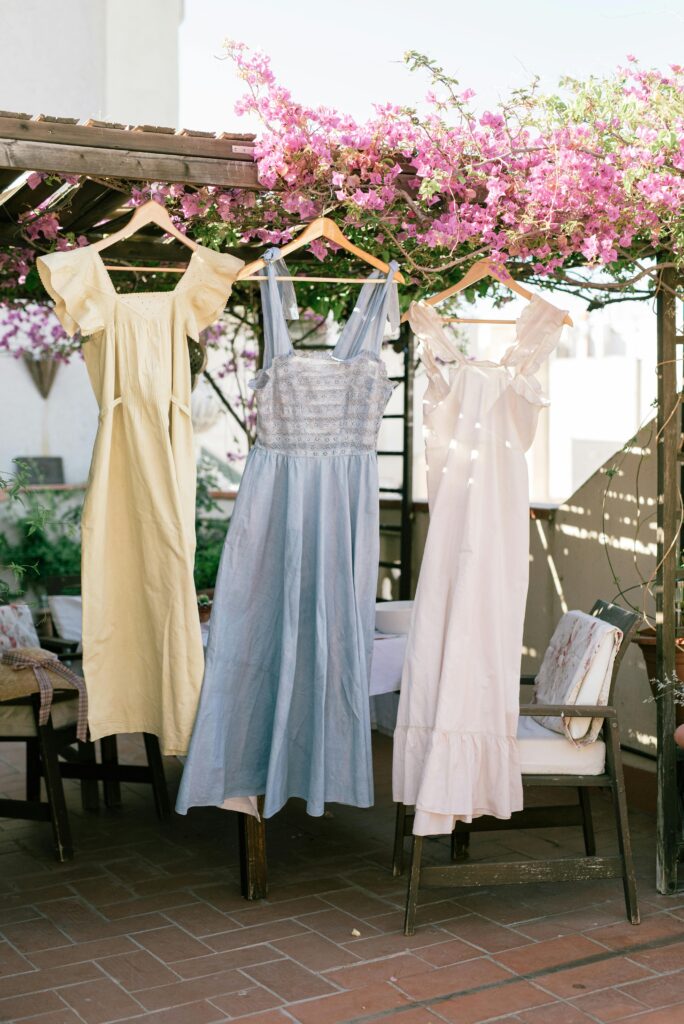
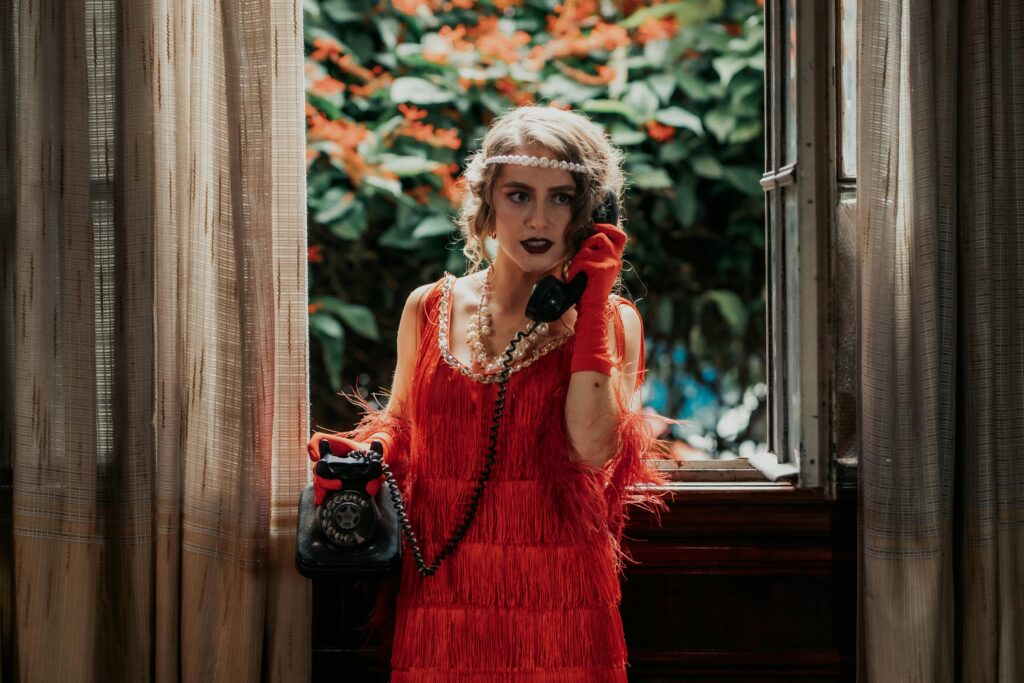
One of the most romantic aspects of vintage clothing is the story behind each piece. Unlike fast fashion, which is mass-produced and quickly discarded, vintage fashion carries history, character, and emotional value. Every vintage dress, tailored coat, or handmade blouse reflects the craftsmanship and culture of the era it came from, whether it’s 1920s glamour or 1950s elegance. Details like original labels, hand-stitched seams, and quality fabrics add authenticity that modern clothing often lacks. Choosing vintage style allows wearers to connect with the past, embrace timeless fashion, and own something truly unique rather than following temporary fashion trends.
Vintage clothing is often celebrated for its superior craftsmanship and quality compared to modern fast fashion. Many vintage fashion pieces were made with durable fabrics such as wool, silk, and cotton, designed to last for decades rather than a single season. Detailed stitching, hand-finished seams, and structured tailoring reflect a level of care that mass-produced clothing rarely matches. Unlike fast fashion brands that prioritize speed and low cost, vintage style highlights slow fashion values, including attention to detail and long-lasting design. This commitment to quality not only makes vintage clothing more sustainable but also adds to its romantic appeal, proving that timeless fashion never goes out of style.
Vintage clothing allows for true individuality and timeless style in a way that fast fashion rarely can. While fast fashion trends change rapidly and encourage everyone to wear the same seasonal pieces, vintage fashion offers unique, one-of-a-kind garments that stand out. Whether it’s a 1950s swing dress, a 1970s boho maxi dress, or a 1980s power blazer, vintage style helps create a personal aesthetic that isn’t dictated by trend cycles. Embracing retro fashion encourages self-expression, creativity, and confidence, rather than copying mass-produced looks. This sense of uniqueness and authenticity adds to the romantic appeal of vintage clothing and reinforces its place in the slow fashion movement.
The rise of the slow fashion movement has highlighted the clear contrast between vintage clothing and fast fashion culture. Fast fashion brands focus on mass production, low prices, and rapidly changing fashion trends, often contributing to environmental damage and textile waste. In comparison, vintage fashion supports sustainable fashion practices by promoting recycling, rewearing, and reducing demand for new production. Choosing second-hand clothing or retro style pieces helps lower your carbon footprint while supporting ethical fashion values. As more consumers become aware of sustainability and conscious shopping, vintage clothing stands out as a responsible and romantic alternative to disposable fast fashion.
Nostalgia plays a powerful role in the romantic appeal of vintage clothing, creating a deep emotional connection to the past. Wearing vintage fashion from iconic eras like 1920s glamour, 1950s elegance, or 1970s boho style allows individuals to step into a different moment in women’s fashion history. These timeless styles evoke memories, classic Hollywood influence, and cultural movements that shaped fashion trends. Unlike fast fashion, which often feels temporary and trend-driven, retro fashion carries sentimental value and authenticity. This emotional connection, combined with timeless design and historical significance, makes vintage clothing feel more meaningful, personal, and truly romantic.
In the debate between vintage clothing and fast fashion, the choice ultimately comes down to meaning over convenience. Vintage fashion represents timeless style, sustainability, and individuality, while fast fashion often prioritizes speed and mass production. By embracing retro clothing, second-hand fashion, and slow fashion values, consumers can build a wardrobe filled with quality garments that tell a story. Choosing vintage is not just a fashion statement; it is a commitment to ethical fashion, environmental awareness, and personal expression. In a world driven by trend cycles and disposable clothing, vintage style proves that true romance in fashion comes from authenticity, history, and lasting beauty.